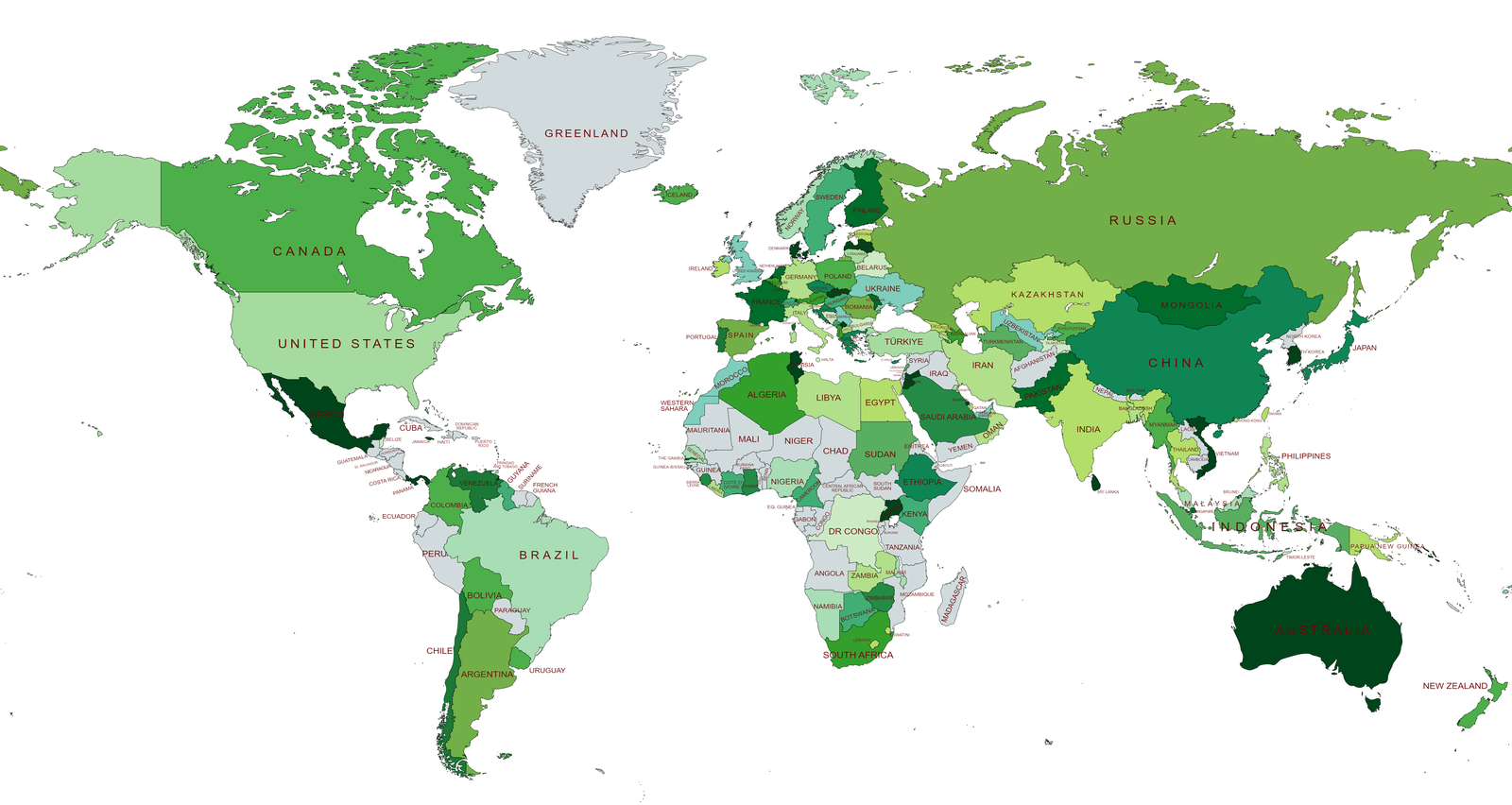
A double taxation treaty (DTT) is an agreement between two (or more) nations that lowers the tax liabilities of international businesses and workers. They facilitate the sharing of data between national taxation authorities to ensure that tax is not paid twice on the same income, allowing global economic activity to flow freely. Any tax paid in the country of residence is exempt in the country where the income is generated. The United Kingdom has the largest network of treaties, with 152 active DTTs with countries and archipelagos from all corners of the globe. This reflects the UK’s commitment to fostering a global consensus on cross-border economic activities, actively promoting international trade and investment.
Benefits of Double Taxation Treaties.
Aside from the primary benefit of guaranteeing tax is only paid once on each income, double taxation treaties offer a range of advantages to those operating in the international arena. These include but are not limited to:
-
- International legal security
- Often eliminate issues or losses pertaining to currency exchange
- Prevention of taxation disputes
- Promote foreign investment
- Stability for those engaging in cross-border activities
Who Can Leverage Double Taxation Treaties?
Double taxation treaties can be leveraged by most individuals and organisations that engage in cross-border economic activities. These activities can include working or investing in a country other than your country of residence, trading goods or services across borders, or receiving income from sources in multiple countries. Some of the roles covered by DTTs include offshore oil and gas workers, seafarers, international pilots, logistics managers, merger and acquisition advisors, development consultants, and many more.
With that being said, you must ensure that your country of residence and your country of operations have an active double taxation agreement, or else you may be liable to pay tax on your income in both countries. and archipelagos from all corners of the globe.
Dual Residents.
DTTs play a crucial role in resolving tax disputes for individuals who are registered residents of multiple countries. These treaties establish guidelines to determine which country has the primary taxing right, preventing double taxation on the same income for dual residents. The determination process typically considers where an individual spends the most time using factors such as permanent home, centre of vital interests, and habitual abode. In cases where there is no clear distinction, the treaty may employ tiebreaker rules, such as nationality or mutual agreement procedures. By establishing clear rules for tax jurisdiction, double tax agreements provide certainty and fairness for individuals navigating complex cross-border tax matters.
In conclusion, double taxation treaties (DTTs) play a pivotal role in fostering a stable and predictable international tax environment. They serve as indispensable tools to eliminate double taxation, promote cross-border economic activities, and enhance legal security for individuals and organisations engaged in international transactions. By facilitating the efficient resolution of tax disputes and establishing clear guidelines for tax jurisdiction, DTTs contribute to a harmonious global economic landscape.
If you have any queries about DTTs and how they relate to your line of work or if you’re seeking advice on our services, get in touch with our specialist team today at 01923 277 870 (UK) or 00357 2250 7769 (international), or via email at hello@global-pay.co.uk.